
YYachts Y6 vs Solaris, Swan & Other 65-Foot Sailing Yachts
New YYachts Y6: Comparison with Solaris, Swan, Grand Soleil, X-Yachts, Oyster, Amel and Beneteau
Which is the best luxury sailing yacht between 60 and 65 feet? We compare the new carbon-built YYachts Y6 with the Solaris 64 RS, Solaris 60, Nautor Swan 58, Grand Soleil Plus 65, X-Yachts X6⁵, Oyster 595, Amel 60 and Beneteau Oceanis Yacht 60. Discover the differences in construction, displacement, sailing performance, ease of handling, accommodation and cruising philosophy.
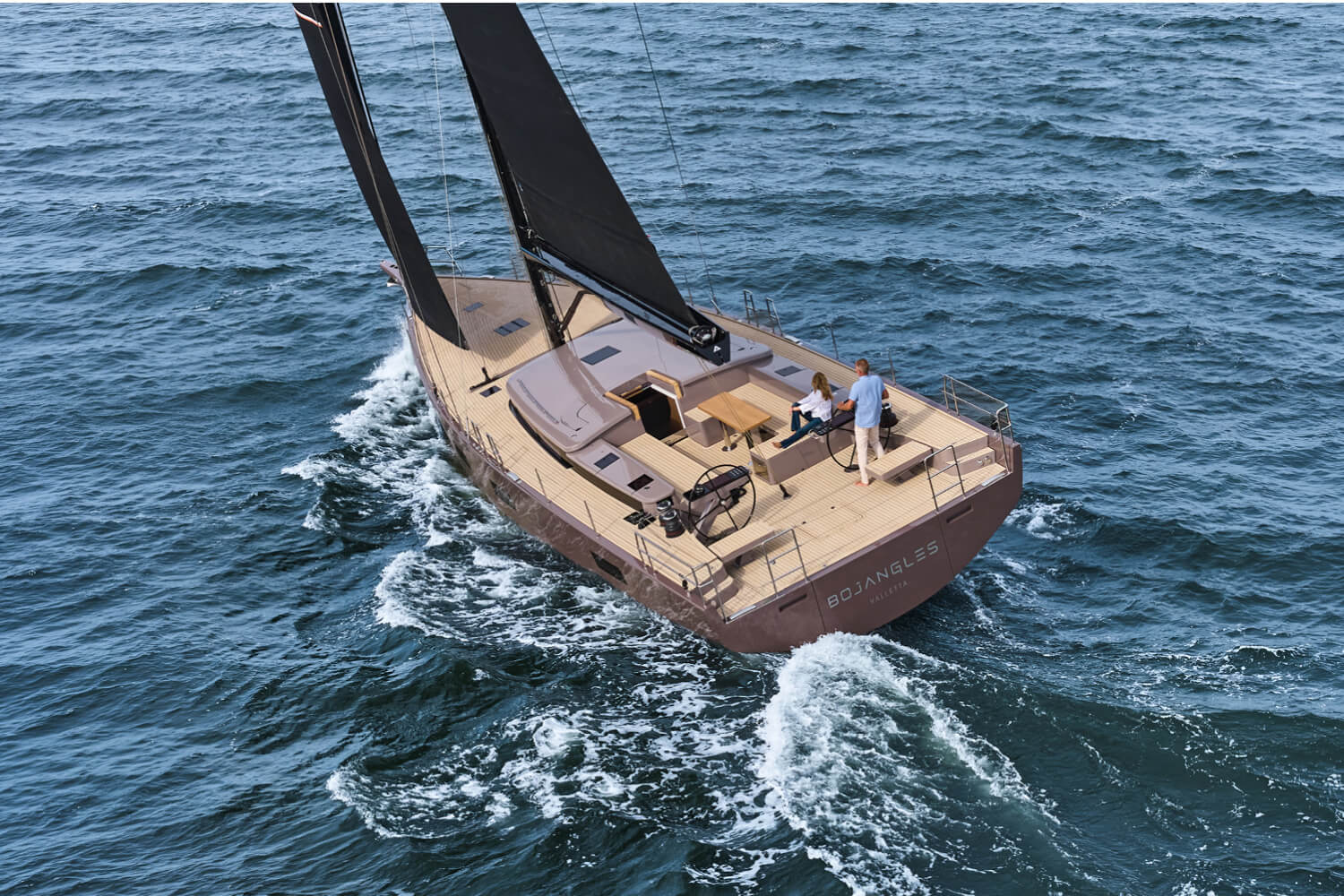
The Best Premium Sailing Yachts Between 60 and 65 Feet: Different Approaches to Sailing
The market for luxury sailing yachts of approximately 20 metres offers a wide variety of choices for owners seeking sailing performance, comfort, build quality and ease of handling.
This segment includes high-performance cruising yachts, bluewater sailing yachts designed for extended ocean passages and models that place greater emphasis on accommodation and outdoor living.
The new YYachts Y6, developed by German shipyard YYachts and designed by Bill Tripp, enters this competitive market with a distinctive proposition: advanced carbon construction, optimised displacement, extensive customisation and a design intended for short-handed sailing.
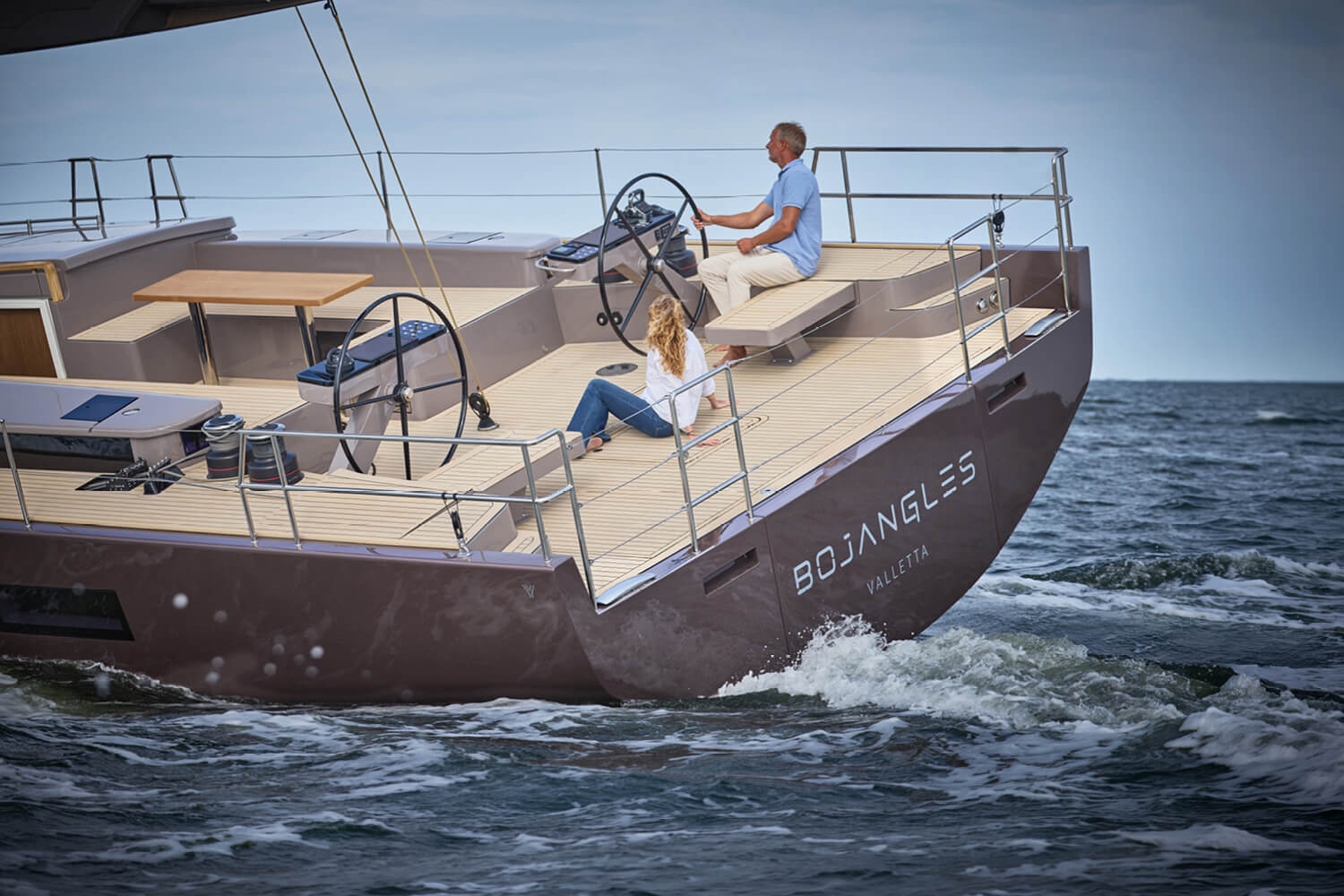
With an overall length of 19.65 metres, a beam of 5.75 metres and a published light displacement of 25.9 tonnes, the Y6 aims to deliver the sailing experience of a large luxury yacht without necessarily requiring a professional crew.
The Y6 is also the younger sibling of the successful YYachts Y7, bringing the shipyard’s established philosophy of lightweight construction, contemporary design and easy sailing to a more compact yacht.
The relationship between the two models is particularly relevant for owners who appreciate the Y7’s approach to luxury performance cruising but prefer a yacht of approximately 65 feet.
How does the Y6 compare with its competitors?
To answer this question, we examine eight sailing yachts that prospective buyers may consider when choosing a premium yacht between 60 and 65 feet.
These include direct competitors such as the Solaris 64 RS, Swan 58 and Grand Soleil Plus 65, alongside bluewater alternatives such as the Oyster 595 and Amel 60.
We also include the Beneteau Oceanis Yacht 60, which represents a different approach to construction, accommodation and market positioning.
The purpose of this comparison is not to declare an overall winner, but to identify which yacht best matches each owner’s priorities.
New YYachts Y6: A Carbon Sailing Yacht Designed for Easy Handling
The YYachts Y6 represents the German shipyard’s interpretation of the performance luxury cruiser: a sailing yacht combining efficient performance, contemporary design, comfort and simplified sail handling.
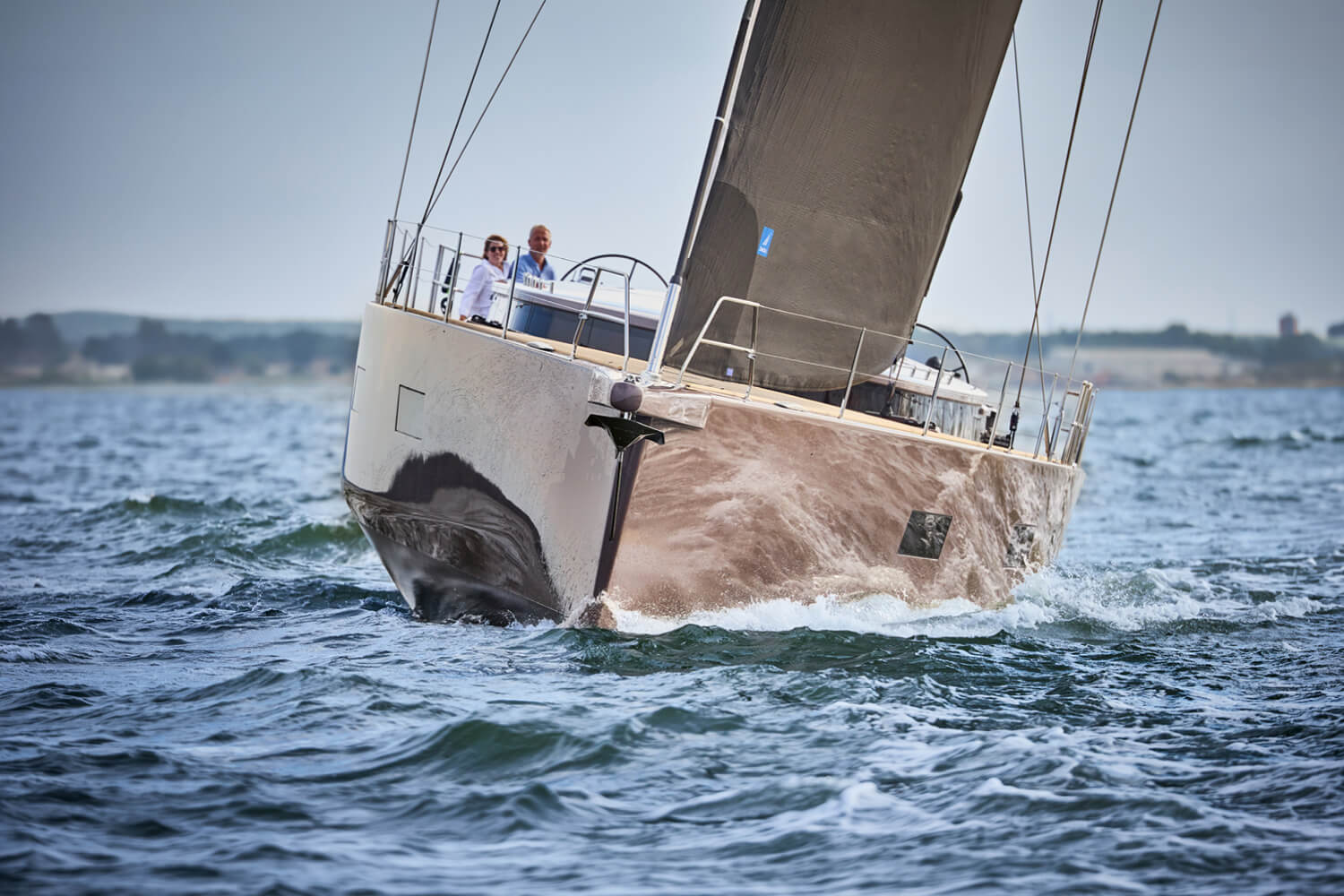
Founded by Michael Schmidt, YYachts has developed its range around lightweight construction and reducing unnecessary complexity.
The Y6 brings this philosophy to a yacht of approximately 20 metres that can be sailed by its owner without requiring a large professional crew.
The Younger Sibling of the Successful YYachts Y7
The Y6 builds on the design philosophy established by the successful YYachts Y7, one of the shipyard’s most recognisable models.
Both yachts share an emphasis on carbon construction, elegant contemporary styling, sailing performance and systems designed to simplify operation.
The Y6 offers these characteristics in a smaller package, making it particularly interesting for owners who want the experience of a large luxury sailing yacht while maintaining greater independence in everyday operation.
The Y7 remains an important reference within the YYachts range, while the Y6 extends the same design philosophy to a different size category.
Carbon Epoxy Construction
One of the Y6’s defining characteristics is its carbon epoxy construction.
Advanced composite materials allow the structural weight to be optimised while providing the stiffness required to withstand sailing loads.
Carbon construction does not automatically make a yacht faster than its competitors. Performance also depends on hull shape, waterline length, rig configuration, sail area, draught, displacement and weight distribution.
However, carbon gives naval architects greater flexibility to optimise the relationship between structural weight, stiffness and sailing performance.
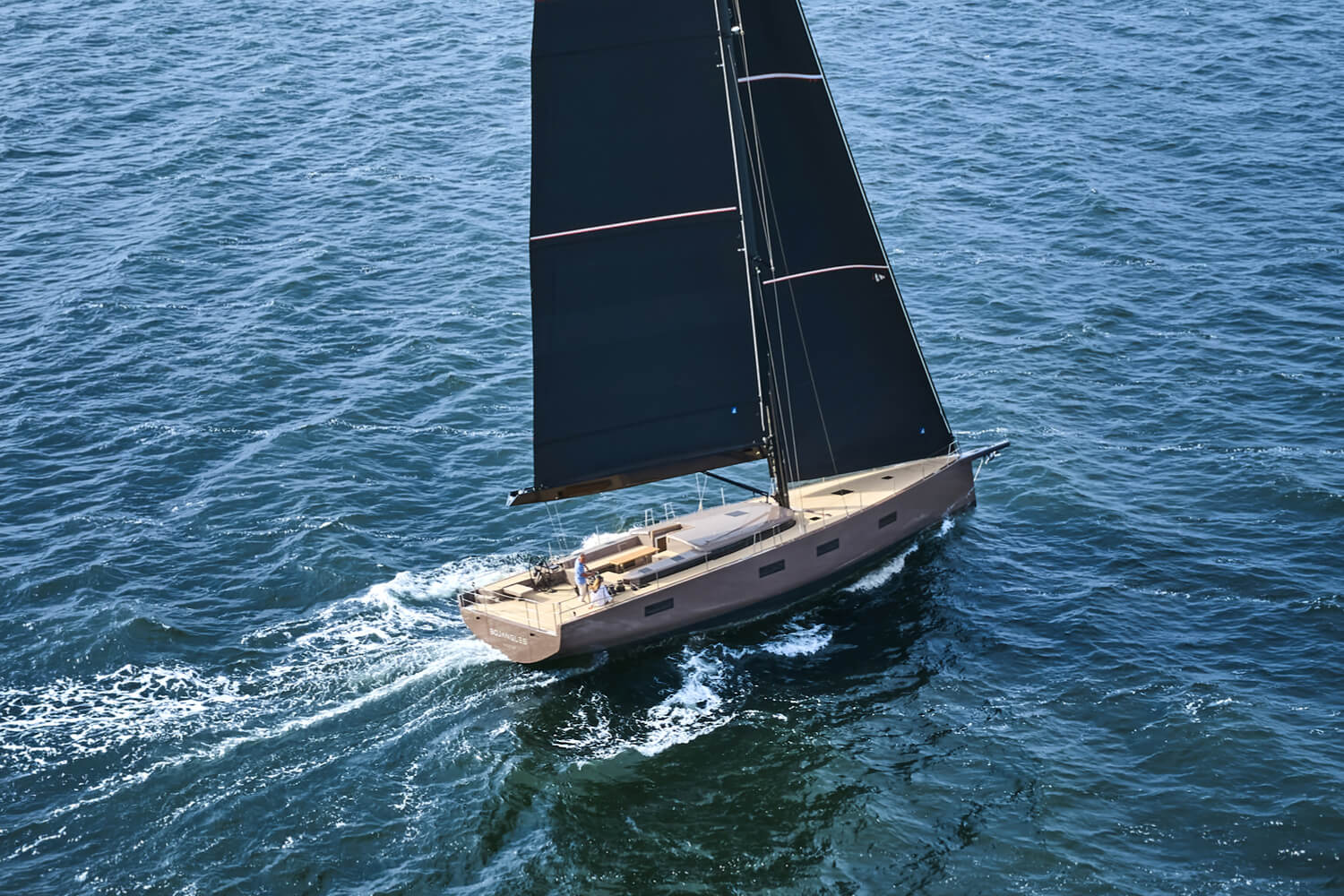
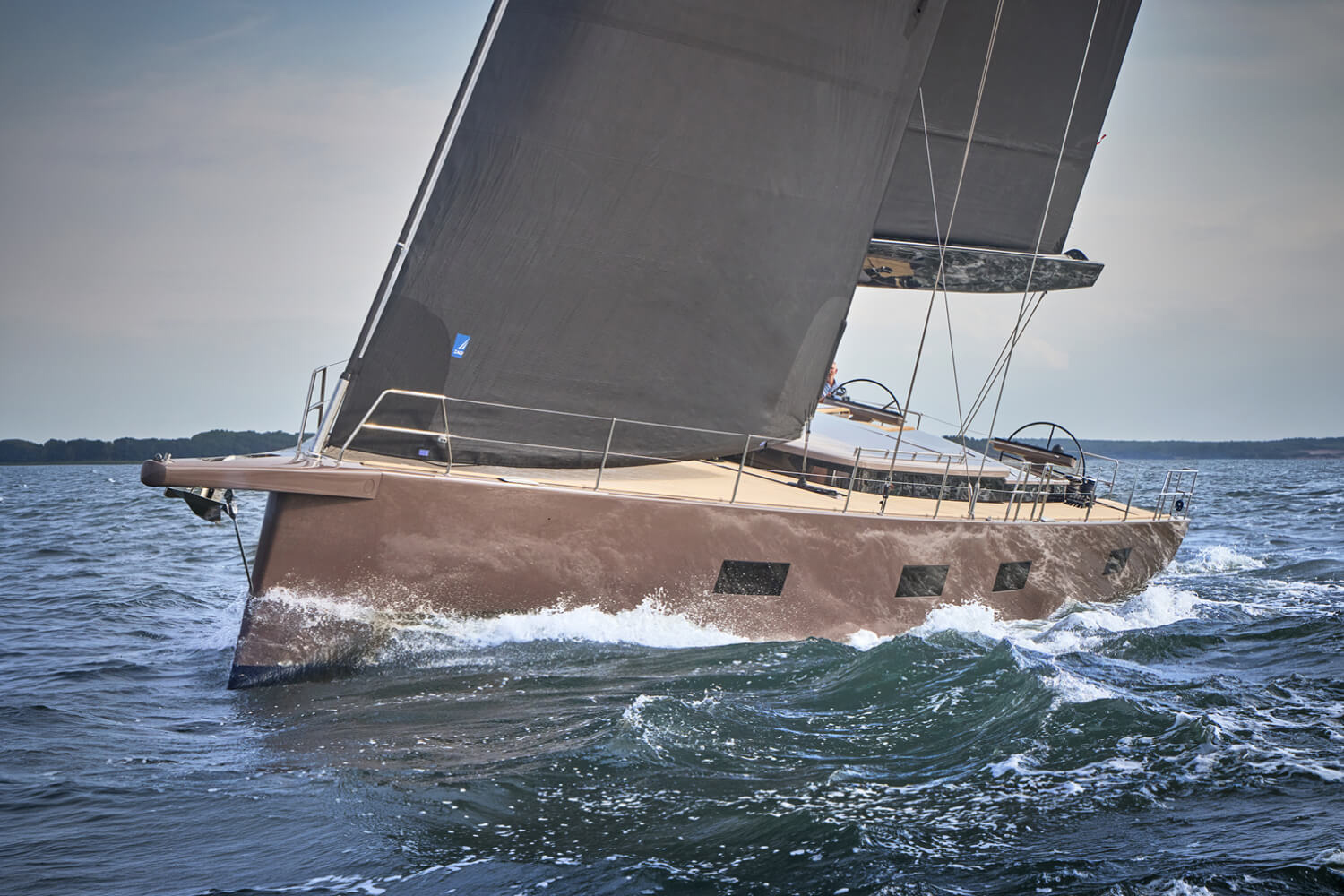
Bill Tripp Design and Short-Handed Sailing
The Y6’s naval architecture is by Tripp Design Naval Architecture.
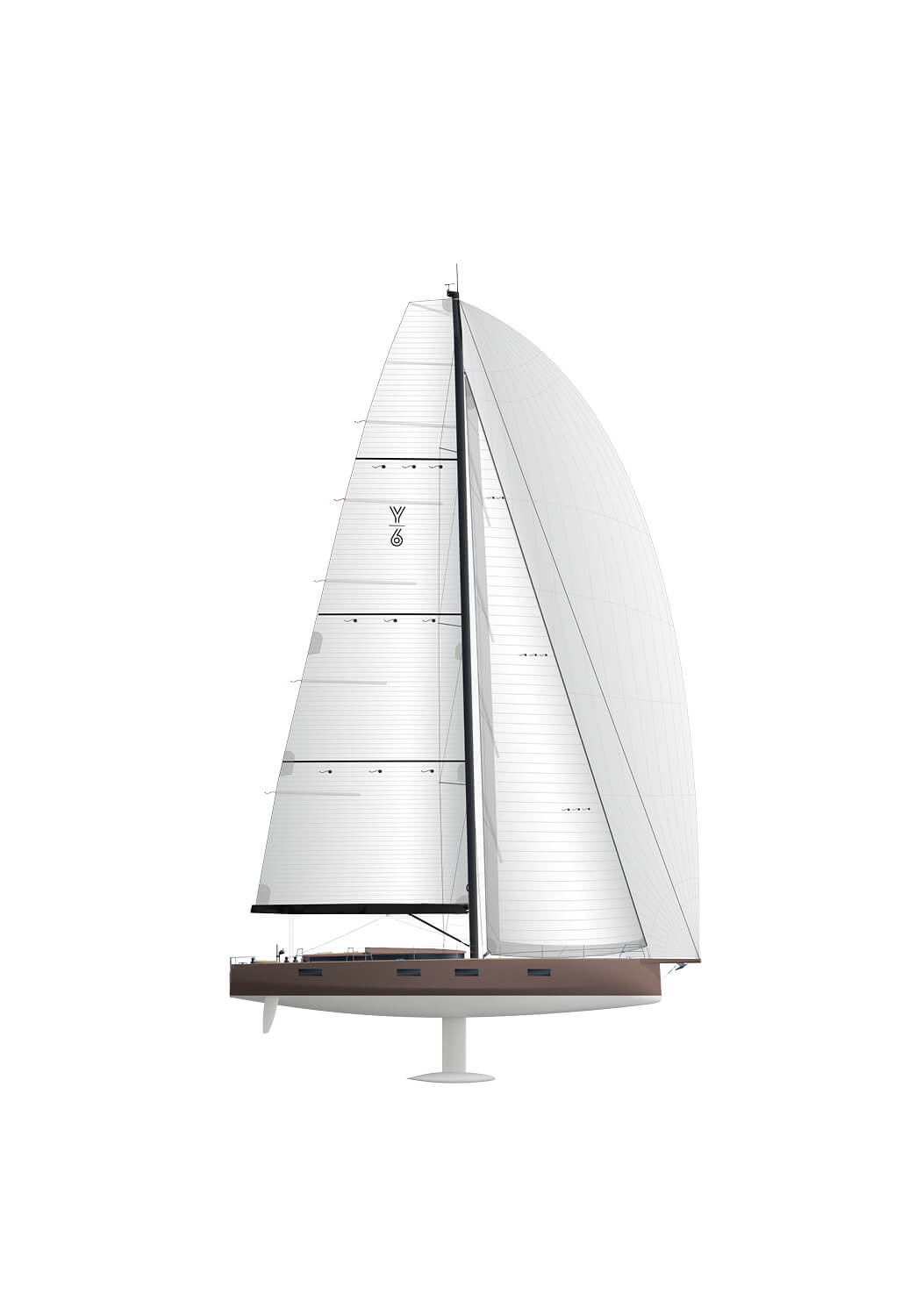
Its sail plan includes a mainsail of approximately 160 m² and a 100 m² self-tacking jib, with additional options such as a Code 0 and gennaker.
Halyards and sheets are led towards the helm stations, simplifying sail handling from the cockpit.
The self-tacking jib makes manoeuvres particularly straightforward, while assistance systems and optional equipment allow owners to configure the yacht according to their preferences.
The objective is to make a yacht of this size manageable with a reduced crew, while recognising that sailing experience, weather conditions and equipment remain important considerations.
Contemporary Interior Design and Customisation
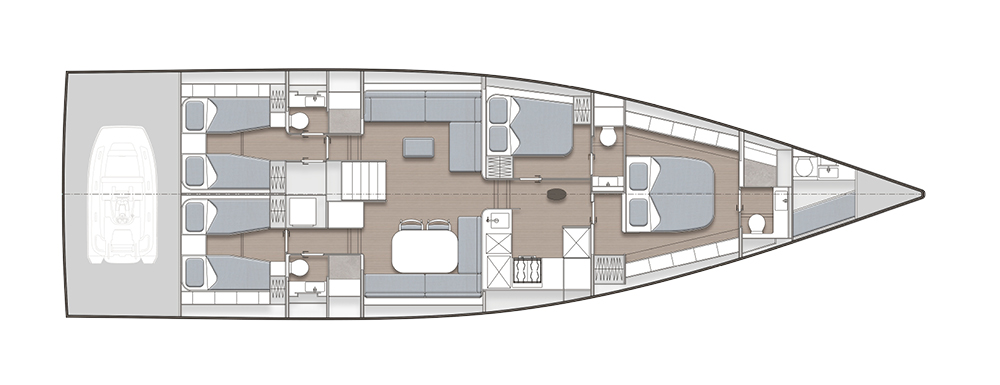
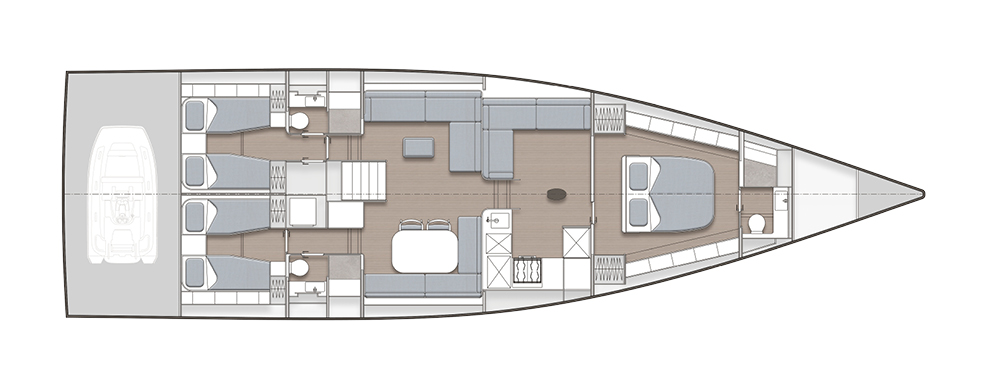
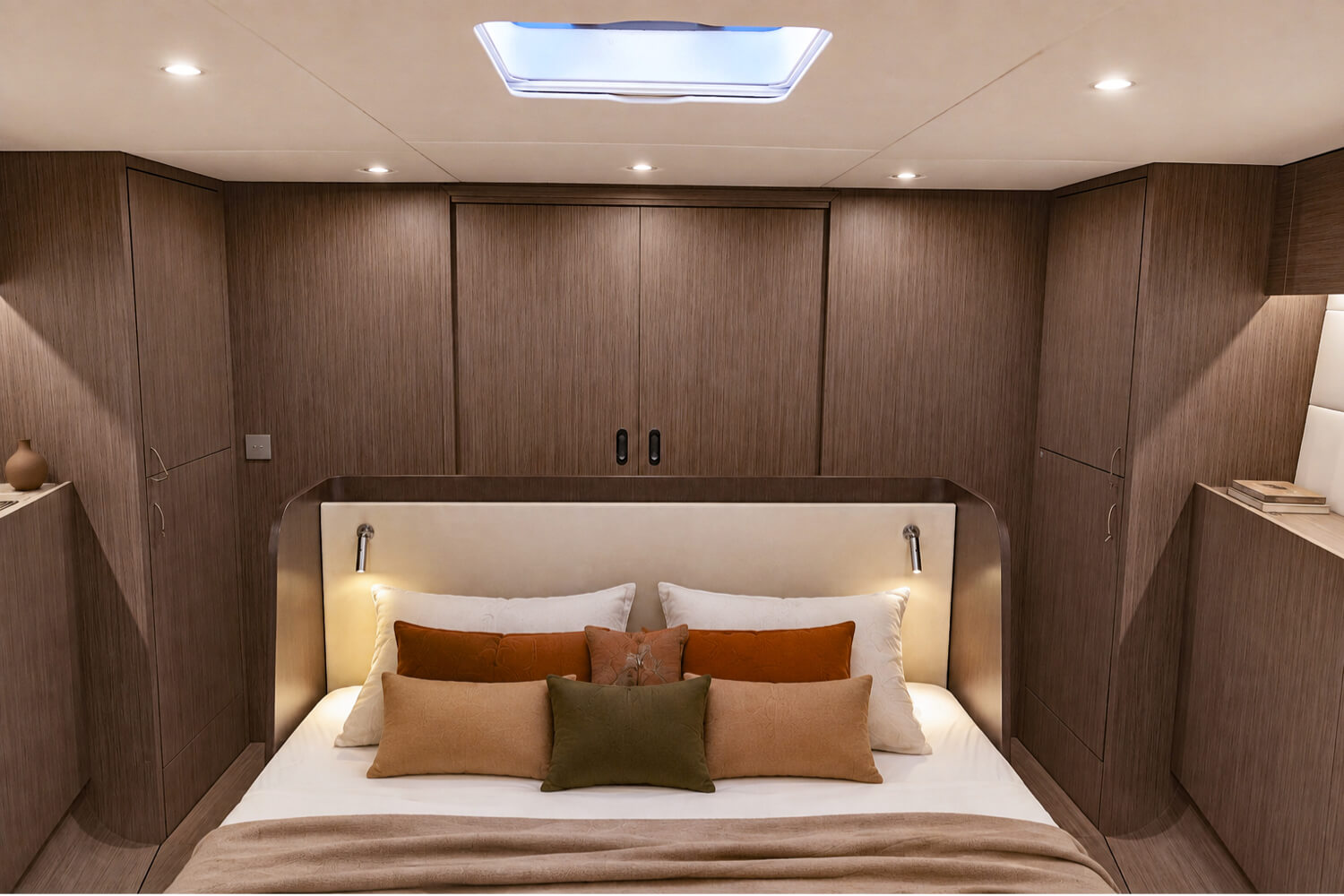
The Y6 offers different interior arrangements, generally with three or four cabins, alongside options for an office, alternative social spaces and a forward crew cabin.
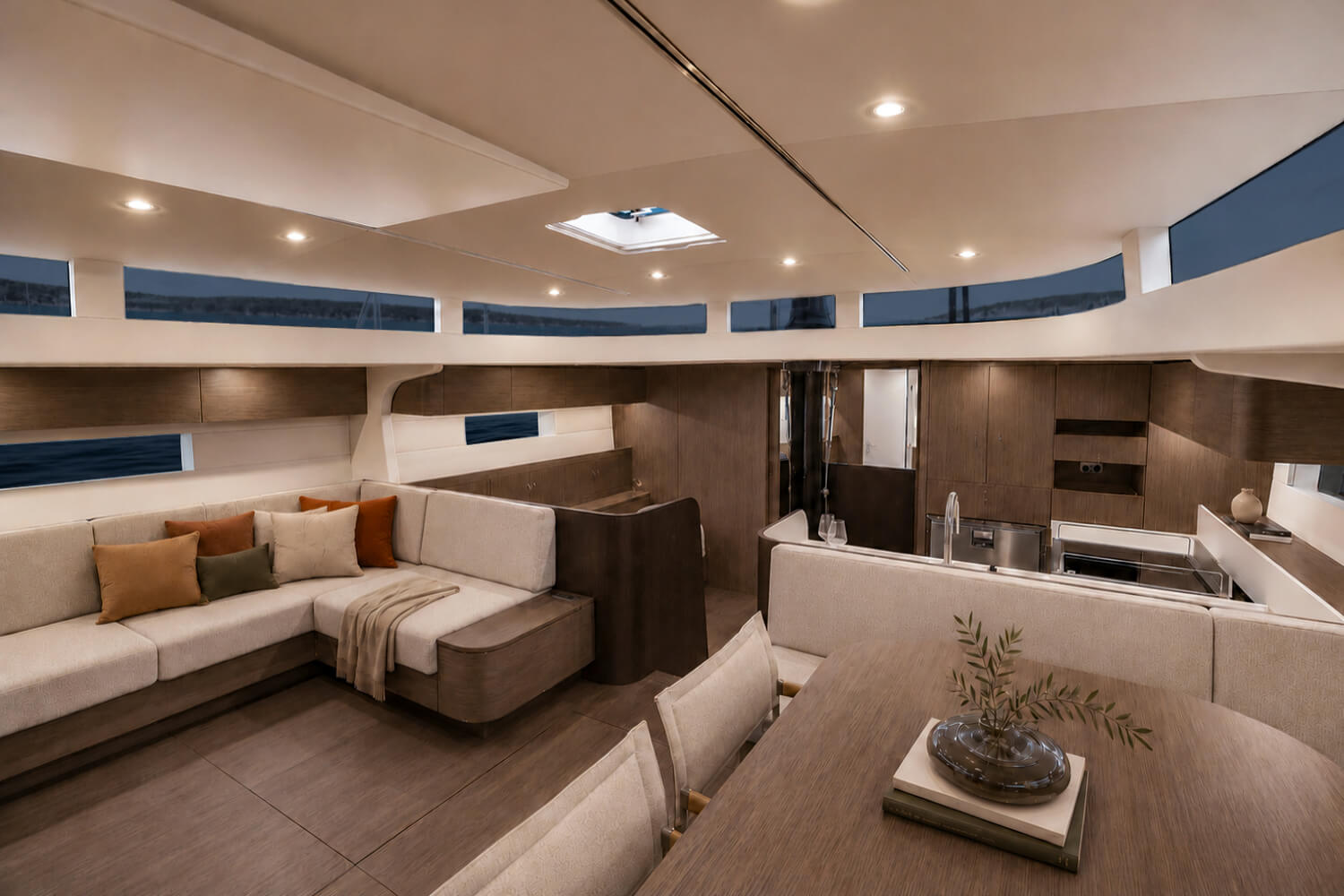
The interior concept was developed by the YYachts team in collaboration with David Thulstrup.
It combines premium materials, clean architectural lines and contemporary styling, with different finishes and interior concepts available.
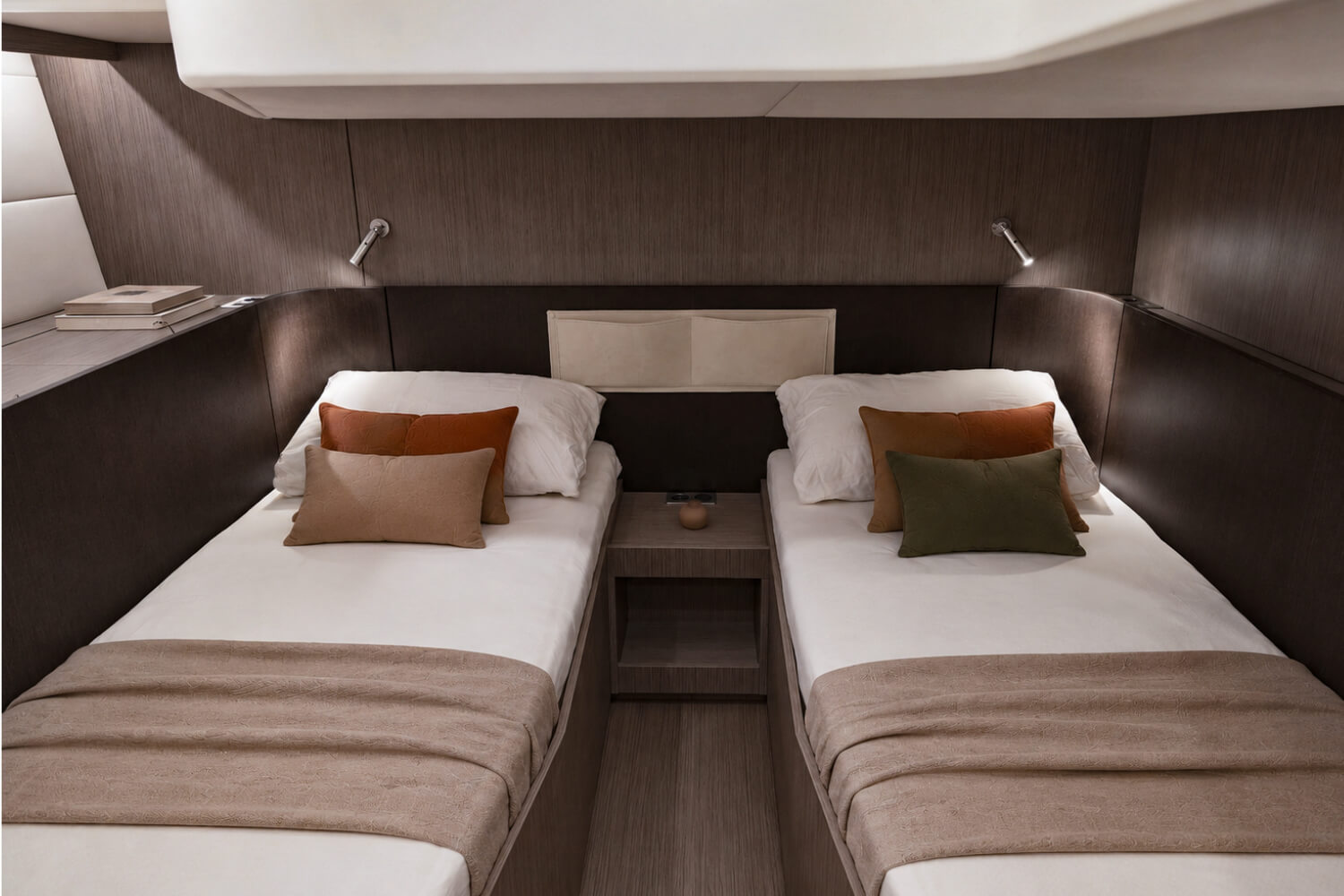
Customisation is one of the model’s strongest features, allowing owners to influence both the accommodation layout and numerous aspects of equipment and interior design.
YYachts Y6 Technical Specifications
| Specification | YYachts Y6 |
|---|---|
| Length overall | 19.65 m |
| Waterline length | 19.27 m |
| Beam | 5.75 m |
| Light displacement | 25,900 kg |
| Standard draught | 3.50 m |
| Shallow draught option | 2.75 m |
| Construction | Carbon epoxy |
| Naval architecture | Tripp Design |
| Mainsail | 160 m² |
| Self-tacking jib | 100 m² |
| Code 0 | 280 m² |
| Gennaker | 410 m² |
| Fuel capacity | 900 L |
| Fresh water capacity | 900 L |
| Certification | CE Category A |
Manufacturer reference specifications. Final characteristics and configurations should be confirmed for each yacht.
Discover the new YYachts Y6 at Marina Estrella.
Technical Comparison: YYachts Y6 vs Eight Luxury Sailing Yachts
The following table compares the published dimensions and displacement figures of the main competitors.
| Model | Length Overall | Beam | Published Displacement |
|---|---|---|---|
| YYachts Y6 | 19.65 m | 5.75 m | 25.9 t |
| Solaris 64 RS | 19.40 m | 5.40 m | 27.6 t |
| Solaris 60 | 18.31 m | 5.28 m | 25.8 t |
| Nautor Swan 58 | 19.11 m | 5.27 m | 25.4 t |
| Grand Soleil Plus 65 | 21.60 m | 5.95 m | 27.0 t |
| X-Yachts X6⁵ | 20.10 m | 5.40 m | 29.5 t |
| Oyster 595 | 19.05 m | 5.36 m | 30.8 t |
| Amel 60 | 19.00 m | 5.35 m | 28.95 t |
| Beneteau Oceanis Yacht 60 | 18.95 m | 5.25 m | 21.7 t |
Figures are based on manufacturers’ published specifications. Light displacement figures have been used where explicitly identified. The X6⁵ figure refers to the keel configuration specified by X-Yachts, while the Oyster 595 figure refers to its standard keel version. Measurement conditions may not be identical. X6⁵ specifications refer to an earlier model generation.
The comparison reveals an important point: the YYachts Y6 is not the lightest yacht in absolute terms, despite its carbon construction.
The Beneteau Oceanis Yacht 60 has a lower published displacement, although it is also shorter and follows a different construction and commercial philosophy.
The Swan 58 and Solaris 60 have published displacements relatively close to that of the Y6.
Therefore, displacement alone cannot determine sailing performance. Waterline length, sail area, stability, rig configuration and the final specification must also be considered.
Carbon construction is an important technological distinction for the Y6, but it should not be interpreted as an automatic guarantee of superior speed.
YYachts Y6 vs Solaris 64 RS: Two Premium Performance Cruisers
The Solaris 64 RS is one of the Y6’s closest competitors.
With an overall length of 19.40 metres, a beam of 5.40 metres and a published light displacement of 27.6 tonnes, it belongs to the premium performance cruising segment.
Designed by Javier Soto Acebal, it features a raised saloon, a deck layout focused on sailing functionality and accommodation combining comfort with performance.
Construction and Displacement
The YYachts Y6 stands out for its carbon epoxy construction and published light displacement of 25.9 tonnes.
The Solaris 64 RS uses advanced composite construction and has a published displacement of 27.6 tonnes.
The difference is approximately 1.7 tonnes, although equipment levels and measurement conditions should be considered before drawing conclusions.
The Y6 also has a greater beam and a longer published waterline length.
Interior Design Differences
The Solaris 64 RS adopts a Raised Saloon concept, providing natural light and improved views from the interior.
The Y6 offers a more modular approach, with extensive possibilities for cabins, an office and alternative social spaces.
The choice depends on the owner’s preferences: the elevated saloon and distinctive Solaris layout, or the flexibility and contemporary design of YYachts.
YYachts Y6 or Solaris 64 RS?
The Solaris 64 RS is particularly attractive to owners looking for a premium performance cruiser with a raised saloon and an established design concept.
The YYachts Y6 deserves special consideration for owners who prioritise carbon construction, customisation and a philosophy centred on reducing the complexity of sailing.
Both models require a detailed comparison of rig, keel, equipment and final purchase price.
YYachts Y6 vs Nautor Swan 58: Two Approaches to Luxury and Bluewater Sailing
The Nautor Swan 58 is one of the most interesting alternatives to the Y6 in terms of positioning, reputation and offshore cruising capability.
Despite its commercial designation, the Swan 58 has a published overall length of 19.11 metres, making it relatively close in size to the YYachts Y6.
Designed by Germán Frers, the Swan 58 combines Nautor Swan’s boatbuilding heritage with contemporary solutions intended to simplify sailing.
Carbon Construction vs Advanced Composite Construction
The YYachts Y6 uses carbon epoxy construction.
The Swan 58 features a fibreglass sandwich structure with a foam core, vinylester resin and structural carbon reinforcements.
These are therefore not identical construction methods.
Nevertheless, the Swan 58 has a published light displacement of approximately 25.4 tonnes, slightly less than the Y6.
This illustrates why carbon construction should not automatically be associated with a lower displacement than every competing yacht.
Sail Handling and Short-Handed Cruising
Both yachts are designed to make large sailing yachts manageable with a limited crew.
The Swan 58 offers different keel configurations, including shallow-draught and telescopic solutions.
The Y6 emphasises sail controls positioned close to the helm stations and its philosophy of simplified systems.
YYachts Y6 or Swan 58?
The Swan 58 may appeal particularly to owners who value Nautor Swan’s heritage, offshore cruising capabilities and keel configuration options.
The Y6 offers an alternative for those seeking minimalist design, carbon construction and extensive customisation.
Both belong to the premium segment, but they express different identities.
YYachts Y6 vs Grand Soleil Plus 65: Carbon, Italian Design and Customisation
The Grand Soleil Plus 65 is another relevant alternative for buyers of large luxury performance sailing yachts.
Its published overall length reaches 21.60 metres, although its hull length is approximately 20.10 metres.
It is therefore a larger yacht than the Y6, and the two should not be considered dimensionally identical.
The Grand Soleil Plus 65 belongs to the Italian shipyard’s premium range, offering different design and configuration approaches, including performance-oriented versions.
Performance and Displacement
The Grand Soleil Plus 65 Performance has a published light displacement of approximately 27 tonnes.
Its beam of 5.95 metres exceeds that of the Y6, providing a larger overall platform.
Both yachts aim to combine sailing performance and comfort, but their dimensional differences should be considered when comparing accommodation and sailing characteristics.
Customisation and Styling
Grand Soleil offers extensive personalisation within its Plus range, with particular attention to design and finishes.
YYachts follows a similarly individual approach, but with a minimalist aesthetic and carbon construction central to its identity.
YYachts Y6 or Grand Soleil Plus 65?
The Grand Soleil Plus 65 is attractive to owners seeking a larger Italian luxury sailing yacht with extensive customisation and a performance-oriented design.
The YYachts Y6 may be better suited to those wishing to remain around 20 metres in length, with carbon construction and an emphasis on easy handling.
YYachts Y6 vs Solaris 60: Performance and Accommodation at Different Sizes
The Solaris 60 is another premium performance cruiser that prospective Y6 buyers may consider.
At 18.31 metres, it is noticeably shorter, although it shares an emphasis on fast cruising and high-quality construction.
Designed by Javier Soto Acebal, it features a functional deck layout and accommodation designed to provide comfortable private spaces.
Similar Displacement, Different Dimensions
The Solaris 60 has a published light displacement of 25.8 tonnes, almost identical to the Y6.
However, the Y6 has greater overall length, waterline length and beam.
These differences are interesting from a naval architecture perspective, but do not establish performance superiority on their own.
Comparable stability data, sail areas and sailing results would be needed for that assessment.
YYachts Y6 or Solaris 60?
The Solaris 60 may appeal to owners seeking a slightly smaller premium performance cruiser.
The Y6 offers greater length and beam, distinctive carbon construction and broader interior customisation possibilities.
Budget, berth costs and intended cruising programme should also influence the decision.
YYachts Y6 vs X-Yachts X6⁵: Two Approaches to Engineering and Fast Cruising
The X-Yachts X6⁵ is an important reference within the large performance cruising yacht segment.
At approximately 20.10 metres, it was developed by Danish shipyard X-Yachts, combining advanced structural solutions with a layout designed for fast cruising.
Its published displacement is approximately 29.5 tonnes for the keel configuration specified in its documentation.
Construction Differences
The X6⁵ uses advanced composite sandwich construction with epoxy resin and structural reinforcements.
The YYachts Y6 uses carbon epoxy construction and has a lower published light displacement.
The stated difference is approximately 3.6 tonnes, although the specifications belong to different model generations and configurations.
Design and Customisation
The X6⁵ was developed as a large performance cruiser offering customisation and premium finishes.
The Y6 introduces a more recent approach to minimalist design, interior modularity and simplified onboard systems.
YYachts Y6 or X-Yachts X6⁵?
The X6⁵ remains an interesting reference when examining the evolution of X-Yachts’ large performance cruisers.
The new Y6 offers a contemporary alternative based on carbon construction, customisation and easy handling.
When comparing them, buyers should consider the age of the X6⁵ project and distinguish between new-build yachts and examples available on the brokerage market.
YYachts Y6 vs Oyster 595: Performance Cruising vs Bluewater Exploration
The Oyster 595 represents a different philosophy within the luxury sailing yacht segment.
With an overall length of 19.05 metres and a published displacement of 30.8 tonnes in its standard keel configuration, it is designed for extended ocean passages and long periods living aboard.
Oyster places particular emphasis on cruising autonomy, robust construction, storage and comfort during long-distance sailing.
Weight and Cruising Philosophy
The Y6 has a lower published light displacement than the Oyster 595.
However, the two yachts follow different design priorities.
The Oyster 595 offers substantial fuel and freshwater capacities, alongside accommodation and storage arrangements designed for extended passages.
The Y6 focuses on lighter construction, contemporary design and a sailing experience combining performance and simplicity.
YYachts Y6 or Oyster 595?
The Oyster 595 deserves particular consideration for owners whose primary objective is extended bluewater cruising and spending long periods living aboard.
The YYachts Y6 may be especially attractive to owners seeking a premium performance sailing yacht with carbon construction and short-handed handling.
Both can undertake long passages, but their design priorities differ.
YYachts Y6 vs Amel 60: Two Ways to Sail with a Small Crew
The Amel 60 is an important reference for owners looking for a luxury bluewater sailing yacht designed for short-handed cruising.
Designed by Berret-Racoupeau, it has an overall length of 19 metres and a beam of 5.35 metres.
Its published light displacement is approximately 28.95 tonnes.
Ease of Handling and Crew Protection
The Amel 60 is particularly recognised for its bluewater cruising philosophy, focusing on crew protection and automated sail handling.
Features include electric furling systems, a protected cockpit and arrangements intended to enhance safety during long passages.
The YYachts Y6 is also designed for short-handed sailing, but approaches the objective differently through weight optimisation, concentrated sail controls and simplified systems.
YYachts Y6 or Amel 60?
The Amel 60 is particularly interesting for owners prioritising crew protection, ocean cruising and integrated sail-handling systems.
The Y6 may appeal more to those seeking performance-oriented sailing, carbon construction and minimalist exterior and interior design.
A meaningful choice depends on the intended cruising programme rather than unsupported claims about which yacht is inherently safer or faster.
YYachts Y6 vs Beneteau Oceanis Yacht 60: Luxury, Accommodation and Construction
The Beneteau Oceanis Yacht 60 is one of the best-known alternatives in the large cruising yacht segment.
Designed by Biscontini Yacht Design, with styling by Lorenzo Argento, it measures 18.95 metres in length and 5.25 metres in beam.
Its concept focuses on comfort, convenient movement around the deck and spacious, light-filled accommodation.
Displacement and Construction Differences
The Oceanis Yacht 60 has a published light displacement of approximately 21.7 tonnes, lower than the Y6.
It would therefore be incorrect to describe the YYachts Y6 as lighter than all its competitors.
The main difference lies not solely in weight, but in construction philosophy, customisation and market positioning.
The Y6 uses carbon epoxy construction and offers the degree of personalisation associated with a limited-production premium sailing yacht.
The Oceanis Yacht 60 is based on a more standardised production platform, with different accommodation and equipment options.
Onboard Living and Ease of Sailing
The Beneteau features a spacious cockpit, deep side-deck walkways and systems allowing sail handling from the helm positions.
The Y6 adopts a minimalist deck design with sail controls concentrated near the steering stations.
Both may appeal to owners who sail with a reduced crew, although their individual configurations should be assessed.
YYachts Y6 or Oceanis Yacht 60?
The Oceanis Yacht 60 may be attractive to buyers prioritising accommodation, deck accessibility and comfortable cruising.
The YYachts Y6 is particularly suited to owners who value carbon construction, contemporary design and customisation.
There is also a significant difference in commercial positioning, which should be evaluated using quotations for comparably equipped yachts.
What Are the Advantages of a Carbon Sailing Yacht Compared with Fibreglass?
Carbon construction is one of the YYachts Y6’s defining characteristics, but its advantages should be explained objectively.
Carbon fibre allows designers to achieve high structural stiffness with potentially lower weight than alternative construction methods, provided the structure and manufacturing process are correctly optimised.
Reducing structural weight can benefit sailing performance under certain conditions and allow more efficient weight distribution.
However, the performance of a sailing yacht depends on its overall design.
A fibreglass yacht may have a lower displacement than a carbon-built competitor if their dimensions, equipment and naval architecture differ.
Carbon construction also requires specialised manufacturing and repair processes, so owners should consider maintenance requirements, technical support and associated costs.
For the Y6, carbon is part of a broader design philosophy combining lightweight construction, efficient sailing and reduced complexity.
Which 60–65 Foot Sailing Yachts Can Be Sailed by Two People?
Several yachts in this comparison incorporate systems designed to facilitate short-handed sailing.
The YYachts Y6 has been specifically designed with this objective, featuring a self-tacking jib and sail controls positioned near the helm stations.
The Swan 58, Solaris 64 RS and other premium yachts can also be configured with systems that simplify handling.
Models such as the Amel 60 and Oyster 595 place particular emphasis on ocean cruising with small crews.
However, the question is not simply whether two people can sail the yacht in favourable conditions.
Harbour manoeuvres, reefing in strong winds, equipment failures, watchkeeping during long passages and crew experience must also be considered.
A 20-metre yacht may be designed for two-person sailing, but that does not mean every manoeuvre or weather condition is equally straightforward or safe.
What Is the Best Luxury Sailing Yacht Between 60 and 65 Feet for Mediterranean Cruising?
The best choice depends on the owner’s intended use.
For owners who enjoy sailing performance and want to handle their yacht personally, the YYachts Y6, Solaris 64 RS, Solaris 60 and Swan 58 are particularly interesting alternatives.
For those prioritising long-distance ocean passages and extended periods living aboard, the Oyster 595 and Amel 60 deserve special attention.
The Grand Soleil Plus 65 offers a larger premium yacht with extensive customisation possibilities.
The Beneteau Oceanis Yacht 60 represents a comfortable cruising alternative focused on accommodation and liveability.
Mediterranean cruising also requires practical considerations such as draught, marina berth availability, sun protection, access to the water, tender storage and manoeuvrability in harbour.
The YYachts Y6 offers an attractive combination of performance, customisation and short-handed sailing, but the best choice ultimately depends on the owner’s priorities.
What Does Marina Estrella Recommend?
At Marina Estrella, official YYachts representative in Spain, we believe that purchasing a premium sailing yacht of approximately 20 metres should begin with a clear understanding of the owner’s intended cruising programme.
A couple sailing around the Balearic Islands at weekends will not necessarily need the same yacht as an owner planning an Atlantic crossing or spending several months a year on board.
The new YYachts Y6 is particularly interesting for experienced owners who value the pleasure of sailing, carbon construction and the possibility of personally managing a yacht of this size.
Its Bill Tripp design, sail-handling arrangements and extensive customisation options allow the yacht to be adapted to individual preferences.
As the younger sibling of the successful Y7, the Y6 also offers a compelling entry into the YYachts philosophy for owners seeking a slightly more compact luxury performance cruiser.
When comparing the Y6 with Solaris, Swan, Grand Soleil, X-Yachts, Oyster, Amel or Beneteau, we recommend examining not only dimensions and displacement, but also the rig, keel, interior layouts, navigation systems and final equipment specification.
Maintenance costs, technical support availability and resale value should also be considered.
A luxury sailing yacht configured around its owner’s actual needs will generally be a more satisfying choice than one selected solely on the basis of brand, length or catalogue price.
Frequently Asked Questions About the YYachts Y6 and Its Competitors
What Is the New YYachts Y6?
The YYachts Y6 is a 19.65-metre luxury sailing yacht designed by Bill Tripp and built in carbon epoxy by German shipyard YYachts. It combines sailing performance, contemporary design and systems intended to facilitate short-handed sailing.
Is the YYachts Y6 Related to the Y7?
Yes. The Y6 is the younger sibling of the successful YYachts Y7. Both share the shipyard’s philosophy of carbon construction, contemporary design, sailing performance and simplified handling, with the Y6 offering these characteristics in a more compact yacht.
How Much Does the YYachts Y6 Weigh?
The published reference light displacement of the YYachts Y6 is approximately 25,900 kg. Actual displacement depends on configuration, equipment and loading conditions.
Which Sailing Yachts Compete with the YYachts Y6?
Its principal alternatives include the Solaris 64 RS, Nautor Swan 58, Grand Soleil Plus 65, Solaris 60 and X-Yachts X6⁵. The Oyster 595, Amel 60 and Beneteau Oceanis Yacht 60 may also be considered, although their cruising philosophies differ.
What Are the Differences Between the YYachts Y6 and Solaris 64 RS?
The Y6 uses carbon epoxy construction and has a published light displacement of 25.9 tonnes. The Solaris 64 RS offers a premium performance cruising concept with a raised saloon and a published displacement of 27.6 tonnes.
Is the YYachts Y6 Better Than the Swan 58?
There is no universal answer. The Y6 stands out for carbon construction, minimalist design and customisation. The Swan 58 offers Nautor Swan’s premium approach to offshore cruising, with different keel options.
Is the YYachts Y6 Lighter Than the Beneteau Oceanis Yacht 60?
No. The Beneteau Oceanis Yacht 60 has a published light displacement of approximately 21.7 tonnes, compared with 25.9 tonnes for the Y6. However, they differ in dimensions, construction and design philosophy.
Can the YYachts Y6 Be Sailed by Two People?
Yes. The Y6 is designed to facilitate short-handed sailing through its self-tacking jib, concentrated sail controls and optional assistance systems. Crew experience and weather conditions remain essential considerations.
What Are the Benefits of Carbon Construction?
Carbon construction allows designers to optimise structural stiffness and weight. It can contribute to sailing performance, although overall results depend on the complete yacht design rather than the construction material alone.
What Is the Difference Between the YYachts Y6 and Oyster 595?
The Y6 focuses on combining performance, carbon construction and ease of handling. The Oyster 595 places particular emphasis on bluewater cruising, autonomy, storage and extended periods living aboard.
Which Sailing Yacht Is Best for Crossing the Atlantic?
The YYachts Y6, Swan 58, Oyster 595 and Amel 60 are designed for cruising programmes that may include ocean passages. The choice should consider preparation, safety equipment, autonomy, crew and passage conditions. No single winner can be established from technical specifications alone.
How Much Does the New YYachts Y6 Cost?
The price depends on the configuration, equipment, interior layout, rig and optional extras. Marina Estrella can provide a personalised quotation and confirm construction and delivery conditions.
Where Can I Buy a YYachts Y6 in Spain?
Marina Estrella is an official YYachts representative in Spain, providing advice on the Y6, its configurations, equipment, availability and purchasing process.
Buy a New YYachts Y6 in Spain
The new YYachts Y6 represents a distinctive proposition within the premium sailing yacht segment between 60 and 65 feet.
Its carbon epoxy construction, Bill Tripp design, ease of handling and extensive customisation make it an interesting alternative to models such as the Solaris 64 RS, Swan 58, Grand Soleil Plus 65, X-Yachts X6⁵, Oyster 595 and Amel 60.
As the younger sibling of the successful YYachts Y7, the Y6 brings the shipyard’s established luxury performance cruising philosophy to a yacht designed for owners who value sailing independence.
For those seeking a contemporary performance sailing yacht of approximately 20 metres, the Y6 deserves serious consideration.
At Marina Estrella, official YYachts representative in Spain, our team can advise you on the available configurations, equipment and customisation possibilities.
Discover the new YYachts Y6 and request a personalised quotation.
You can also explore the YYachts range, including the Y6, Y7, Y8 and Y9, through Marina Estrella.
Contact Marina Estrella to discuss the configuration and availability of your next YYachts Y6.
